
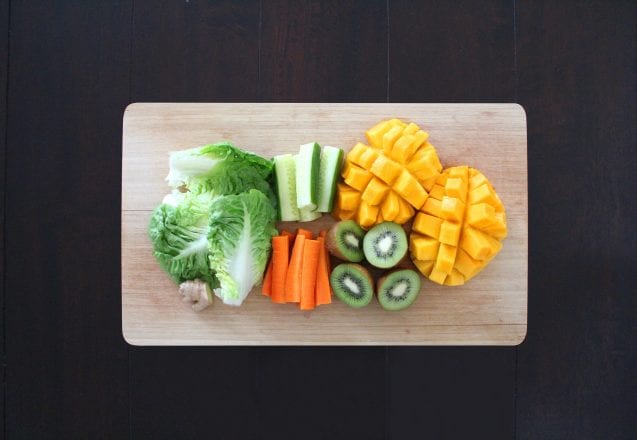
What Is Primal Eating?
 What is primal eating? It’s about eating the way people did before industrialization occurred. While it’s similar to the Paleo or caveman diet, there are a few distinct differences. Both diets eliminate grains, since they’re based on what man might have eaten during caveman times. Both allow for rice a quinoa in the diet. However, the Paleo or caveman diet prohibits the use of dairy, while the primal diet encourages it, but only in the raw form. The Paleo diet doesn’t allow coffee or vegetables in the nightshade family like tomatoes, eggplant and bell peppers, but the primal diet does.
So what exactly do you eat when you opt for primal eating?
It’s simple. Avoid processed food. After all cavemen never went to the 7/11 for some beef jerky or grabbed a box of mac ‘n cheese off the shelf. Cut out those foods that came after farming, which includes almost all food that contains grain, especially those with wheat. Soy isn’t part of the primal diet, neither are peanuts, alcohol, granulated sugar (honey and maple syrup are allowed), and refined vegetable oils. If it sounds like most of the food on the dairy shelf aren’t listed, you’d be right, unless you’re in the fresh produce section.
The logic behind the primal diet is simple.
If you think about it, man lived for thousands of years and never once required a Twinkie, HoHo or Zinger to survive. In fact, many of the illnesses in today’s civilization, occur because of over consumption of sugar, processed foods and additives that lead to obesity, which is the leading cause of preventable deaths in the world today. Throughout hundreds of years of evolution has changed man, but processed foods were introduced recently. It makes sense that the body couldn’t evolve to ingest foods made in a lab and hope process them easily. The belief behind the primal and Paleo diet is that man was created to genetically consume the types of food found in these diets.
The primal diet is filled with healthy food and can improve overall health.
There’s no doubt about it, living on food with added sugar and other additives, simply isn’t healthy. One big benefit of the primal diet is that it’s good for people with diabetes, since it limits the sugar intake. It also can prove beneficial for those with food allergies and conditions like celiac disease. It is a far healthier diet than the average American diet and far more balanced. It’s good for weight loss, too.
- One mistake that people often make on a primal diet is focus on meat. Cavemen didn’t. Early man ate both meat and vegetables, but heavily relied on more of a vegetarian diet with the occasional meaty treat.
- Eating more plants, vegetables, seeds, nuts and oil increase the body’s anti-inflammatory benefits. Cutting out sugar and processed food also aids in reducing inflammation.
- People on a primal diet often lose as much as those on traditional diets, but tend to lose more inches around the middle and that translates to losing more fat. That fat, visceral fat, is the most dangerous type of fat.
- In short term studies, people on the primal diet showed improved blood pressure control, lower triglyceride levels, improved control of appetite and better weight loss than other diet types, even the Mediterranean diet.
For more information, contact us today at BioFit Performance
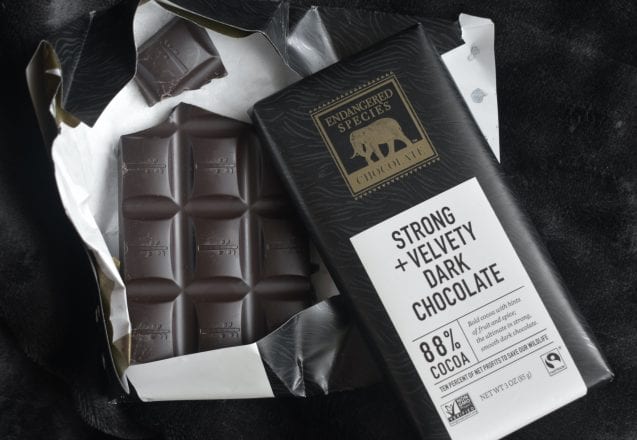
 There’s often a lot of smiles when clients at BioFit Performance in Oviedo, FL, find out that dark chocolate is actually healthy. Of course, there is a limit on the amount you should eat to reap those benefits and the quality of chocolate you should consume. It has to be high quality with a higher cocoa content of at least 70%. The higher the better. Dark chocolate does contain sugar, but the more cocoa, the lower the sugar count. It also has calories, which means you have to eat it in small amounts. One small square or two provides benefits, that delicious flavor and is about all you should eat in a day.
 When you’re discussing sparkling beverages, you’re talking about a wide variety of different types of drinks. Some are immediately recognized as unhealthy, such as soft drinks, but there are other groups that are nothing more than water with a pressurized infusion of carbon dioxide. These are called everything from seltzer water to club soda, and of course, sparkling water. While seltzer water doesn’t contain sodium, other forms of carbonated waters do.
 At BioFit Performance in Oviedo, FL, we not only help clients with developing a more active lifestyle, but also a personalized nutrition program. While what you eat is ultimately the most important part of that program, portion control also plays an important role. With most fruits and vegetables, it’s not a problem. They’re often so low in calories portion control makes no difference at all. You could eat an entire head of celery and not be anywhere near your daily calorie allotment. However, if you eat volumes of nuts, avocados, olive oil and sweet potatoes, all healthy foods, the results might be quite different. The same is especially true for snack food and sweets.
 If you’ve read that sweet potatoes are a healthier option than white potatoes, the information isn’t true. While they both contain a variety of nutrients, the nutrient content is different in each. That’s why I tell clients in Oviedo, FL, they need to vary their diet to include as many different fruits and vegetables as possible. For instance, white potatoes contain more potassium than sweet potatoes. It racks up approximately 17% of the required daily amount compared to sweet potatoes 10%. White potatoes also contain glycoalkaloids that recent test-tube studies show have anti-cancer and other good benefits.




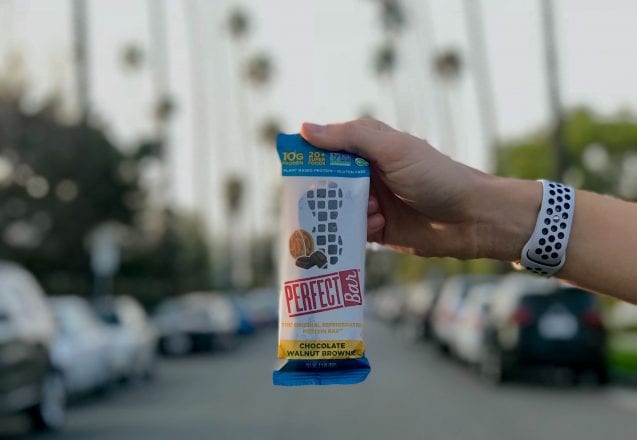
 Protein bars have been on the market for quite a while. Originally, those bars were the ultimate for people who wanted to do tough workouts and build big muscles, but they became a quick go-to for people who weren’t working out and just assuming that they were the healthiest option when there was no time to sit down to a meal. There’s a new kid on the block of bars called meal replacement bars. Which one is better? First, most people don’t require the boost of protein that the protein bar provides, but let’s look at other factors.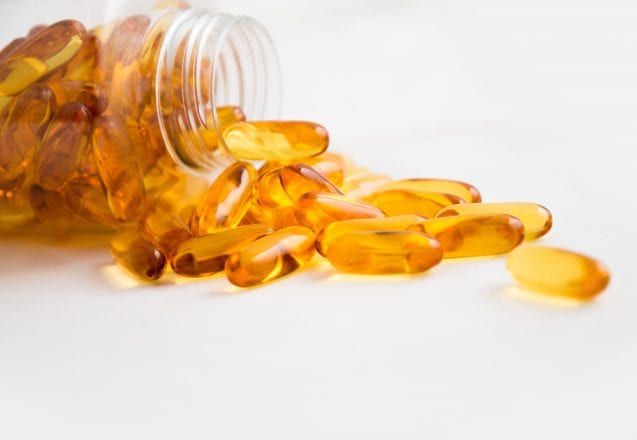
 I have people at my gym in Oviedo, FL ask about the benefits of Omega-3 and Omega-6 fatty acids. Both of them are important for good health. The ratio of omega-6 to omega-3 should be a four to one ratio, with one part omega-3 for every four parts omega-6. It’s not that way in the present Western diet. Instead, the ratio of omega-6 to omega-3 is anywhere between 10 parts omega-6 to one part omega-3 to a huge 50 parts omega-6 to one part omega-3. Depending on your present diet, you need to either lower the amount of omega-6, increase your amounts of omega-3 or both. Finding out how to do that means learning how to get your daily omega-3s.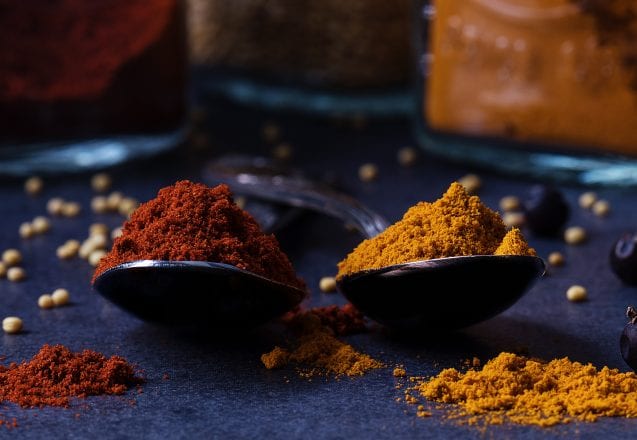
 You can improve your nutrition without adding extra calories by sprinkling on herbs and spices. One those spices to add is turmeric. There are a number of health benefits of turmeric, including helping you recover faster after a tough workout. Studies show that it can be beneficial in reducing soreness after you workout, especially from high intensity training. The curcumin in turmeric also boosts the benefits of exercise.